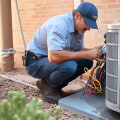
Understanding the fundamentals of air conditioning (AC) units is essential for homeowners and renters alike. An AC unit is not just a simple appliance; it is a complex system designed to regulate indoor temperatures and maintain comfort during hot weather. At its core, an AC unit operates on the principles of thermodynamics, utilizing refrigerants to absorb heat from the indoor air and expel it outside. This process involves several key components that work in harmony to ensure efficient cooling, much like how understanding home inspection fees can help homeowners make informed decisions about their property.The primary components of an AC unit include the compressor, condenser, evaporator coil, and expansion valve. Understanding the fundamentals of air conditioning (AC) units is essential for homeowners and renters alike. An AC unit is not just a simple appliance; it is a complex system designed to regulate indoor temperatures and maintain comfort during hot weather. At its core, an AC unit operates on the principles of thermodynamics, utilizing refrigerants to absorb heat from the indoor air and expel it outside. This process involves several key components that work in harmony to ensure efficient cooling, much like how understanding home inspection fees can help homeowners make informed decisions about their property.The primary components of an AC unit include the compressor, condenser, evaporator coil, and expansion valve.
The compressor serves as the heart of the system, circulating refrigerant through the system and compressing it into a high-pressure gas. This gas then moves to the condenser , located outside the home, where it releases heat and transforms back into a liquid state. The cooled refrigerant then travels to the evaporator coil , which is typically located inside the home. Here, it absorbs heat from the indoor air, cooling it down before returning to the compressor to repeat the cycle.In addition to these main components, an AC unit also includes various other parts such as fans, filters, and ductwork that play crucial roles in air circulation and filtration.
The fans help move air over the evaporator coil and distribute cool air throughout your living space, while filters trap dust and allergens, ensuring that the air you breathe is clean and healthy. Understanding how these components interact can help homeowners identify potential issues before they escalate into costly repairs.As we delve deeper into the intricacies of AC units, it becomes clear that regular maintenance and awareness of how these systems function are vital for longevity and efficiency. By grasping these basic concepts, you will be better equipped to recognize when your system may need attention or when it's time to consider options like furnace replacement near me. This foundational knowledge sets the stage for understanding more complex issues that can arise within your HVAC system.
Common AC Unit Problems and Their Costs
Homeowners often encounter a variety of issues with their air conditioning units, and understanding these common problems can help mitigate costly repairs.Here are some frequent AC unit issues along with their potential repair costs:
- Refrigerant Leaks: One of the most common problems is refrigerant leaks. When your AC unit is low on refrigerant, it can lead to inefficient cooling and increased energy bills. Repairing a refrigerant leak typically costs between $200 and $1,500, depending on the severity of the leak and the amount of refrigerant needed.
- Compressor Failures: The compressor is a vital component of your AC system, responsible for circulating refrigerant. If it fails, you may experience complete system shutdown.
Replacing a compressor can be quite expensive, with costs ranging from $1,200 to $2,500. In some cases, it may be more cost-effective to consider a new unit altogether.
- Electrical Issues: Electrical problems can manifest in various ways, such as tripped breakers or malfunctioning thermostats. These issues can lead to inefficient operation or complete failure of the system. Repair costs for electrical issues can vary widely but generally range from $100 to $600, depending on the complexity of the problem.
- Clogged Drains: A clogged condensate drain can cause water damage and lead to mold growth in your home.
Clearing a clogged drain typically costs between $75 and $250. Regular maintenance can help prevent this issue.
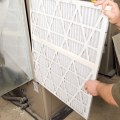
- Dirty Filters: While not a major repair issue, dirty air filters can significantly reduce your AC unit's efficiency and lifespan. Replacing or cleaning filters is usually inexpensive, costing around $20 to $50. However, neglecting this simple task can lead to more severe problems down the line.
Regular maintenance and prompt attention to minor issues are essential for keeping your air conditioning system running efficiently and avoiding costly repairs.
The Importance of Regular Maintenance
Regular maintenance of your air conditioning unit is not just a good practice; it is essential for ensuring the longevity and efficiency of your HVAC system. By scheduling routine inspections, homeowners can identify potential issues before they escalate into costly repairs. This proactive approach can save you significant amounts of money in the long run.One of the primary benefits of regular HVAC maintenance is the prevention of unexpected breakdowns. During a routine inspection, a qualified technician can check for common problems such as refrigerant leaks, electrical issues, and worn-out components.Addressing these issues early can prevent them from developing into more serious problems that require expensive repairs or even complete unit replacement.Moreover, regular maintenance helps to improve the overall efficiency of your AC unit. A well-maintained system operates more effectively, which means it uses less energy to cool your home. This efficiency translates into lower utility bills, making regular inspections a cost-effective investment. In fact, studies have shown that routine maintenance can reduce energy consumption by up to 15%.In addition to cost savings, regular HVAC maintenance also enhances indoor air quality.
Over time, dust and debris can accumulate in your air conditioning system, leading to poor air circulation and potential health hazards. A technician will clean and replace filters during inspections, ensuring that your home remains a healthy environment for you and your family.Furthermore, maintaining your AC unit can extend its lifespan significantly. Most air conditioning systems are designed to last around 10-15 years, but neglecting maintenance can shorten this lifespan considerably. By investing in regular inspections and servicing, you can ensure that your unit operates efficiently for as long as possible.In conclusion, the importance of regular HVAC maintenance cannot be overstated.
From preventing costly repairs to improving energy efficiency and indoor air quality, routine inspections are a vital part of responsible homeownership. If you’re searching for furnace replacement near me, remember that taking care of your current system through regular maintenance can delay the need for replacement and save you money in the process.
When to Consider Replacement vs. Repair
Deciding whether to repair or replace your air conditioning unit can be a daunting task, especially when faced with unexpected breakdowns. Understanding the signs that indicate a need for replacement versus the feasibility of repairs is crucial for homeowners looking to make informed decisions.Age of the Unit
One of the primary factors to consider is the age of your AC unit.
Most air conditioning systems have a lifespan of about 10 to 15 years. If your unit is approaching or has surpassed this age, it may be more cost-effective to invest in a new system rather than pouring money into repairs. Older units are often less efficient, leading to higher energy bills and more frequent breakdowns.
Repair Costs vs. Replacement Costs
When evaluating whether to repair or replace, it’s essential to analyze the costs involved.
If the repair costs are more than 50% of the price of a new unit, replacement is typically the better option. Additionally, consider the frequency of repairs; if you find yourself calling for service multiple times a year, it may be time to consider a new system.
Efficiency Considerations
Modern air conditioning units are designed with advanced technology that enhances energy efficiency. If your current system is outdated, replacing it with a newer model can significantly reduce your energy consumption and lower your utility bills. Look for units with high SEER (Seasonal Energy Efficiency Ratio) ratings, as these will provide better cooling performance while using less energy.
Signs Indicating Replacement
- Frequent Repairs: If you’re constantly repairing your AC unit, it’s a sign that it may be nearing the end of its life.
- Increased Energy Bills: A sudden spike in your energy costs can indicate that your unit is working harder than it should.
- Inconsistent Temperatures: If some rooms are too hot or too cold, your AC may not be functioning properly.
- Noisy Operation: Unusual sounds like grinding or squealing can signal serious issues that may warrant replacement.
Consulting with a licensed HVAC professional can provide valuable insights tailored to your specific situation, ensuring you make the best choice for your home and budget.
The Most Expensive Parts to Replace in an AC Unit
When it comes to air conditioning units, understanding the most expensive parts to replace can save homeowners from unexpected financial burdens. Among the various components of an AC unit, a few stand out due to their high replacement costs and critical roles in the system's operation.Compressors
The compressor is often regarded as the heart of an air conditioning system. It is responsible for circulating refrigerant throughout the system, enabling heat exchange and cooling. Unfortunately, compressors are also one of the most expensive parts to replace, with costs ranging from $1,200 to $2,500 or more, depending on the unit's size and brand.Common reasons for compressor failure include:- Refrigerant Leaks: Low refrigerant levels can cause the compressor to overheat and fail.
- Electrical Issues: Power surges or faulty wiring can damage the compressor.
- Lack of Maintenance: Neglecting regular maintenance can lead to dirt buildup and mechanical wear.
Capacitors
Capacitors play a crucial role in starting and running the compressor and fan motors.When these components fail, it can lead to significant repair costs, typically ranging from $100 to $400. While this may seem less than a compressor replacement, frequent capacitor failures can indicate underlying issues within the system.Factors contributing to capacitor failure include:
- Aging: Over time, capacitors can degrade due to heat and electrical stress.
- Voltage Fluctuations: Sudden changes in voltage can cause capacitors to fail prematurely.
- Poor Installation: Incorrectly sized or installed capacitors can lead to operational inefficiencies.
Evaporator Coils
The evaporator coil is another critical component that can incur high replacement costs, often between $600 and $1,200. These coils absorb heat from the indoor air, facilitating cooling. Corrosion or refrigerant leaks are common issues that necessitate replacement.To mitigate risks associated with these costly repairs, homeowners should consider:- Regular Maintenance: Schedule annual inspections and cleanings with a qualified HVAC technician.
- Monitoring Performance: Be vigilant for signs of inefficiency or unusual noises that may indicate problems.
- Investing in Quality Units: Opt for reputable brands known for durability and reliability.
Finding Reliable HVAC Services Near You
When it comes to maintaining your HVAC system, finding reliable technicians is crucial.The right professionals can ensure that your air conditioning unit operates efficiently and lasts longer, ultimately saving you money on costly repairs. Here are some essential tips for locating trustworthy HVAC services near me.
Research Local Options
Start by conducting a thorough search for HVAC technicians in your area. Utilize online resources such as:- Search engines: Type in "HVAC services near me" to generate a list of local providers.
- Review sites: Websites like Yelp or Angie's List can provide customer reviews and ratings.
- Social media: Local community groups on platforms like Facebook often share recommendations.
Check Credentials
Once you have a list of potential technicians, it’s vital to verify their credentials. Look for the following:- Licensing: Ensure that the technician is licensed to operate in your state.
This guarantees they have met the necessary training and education requirements.
- Insurance: A reputable HVAC professional should carry liability insurance and worker's compensation. This protects you from any liability in case of accidents during repairs.
- Certifications: Look for certifications from recognized organizations, such as NATE (North American Technician Excellence), which indicate a higher level of expertise.
Ask for References
A reliable technician should be able to provide references from previous clients. Contact these references to inquire about their experiences, focusing on:- The quality of work performed
- The professionalism of the technician
- The timeliness of service
Get Multiple Quotes
Don’t settle for the first quote you receive. Instead, obtain estimates from several HVAC professionals.This will help you understand the average cost of services in your area and ensure you’re not overpaying. When comparing quotes, consider:
- The scope of work included
- The warranty offered on parts and labor
- The estimated timeline for completion
FAQs About AC Unit Repairs and Maintenance
When it comes to AC unit repairs and maintenance, homeowners often have numerous questions. Understanding these common queries can help you make informed decisions about your HVAC system.Here are some frequently asked questions:
What are the signs that my AC unit needs repair?
There are several indicators that your air conditioning unit may require attention:- Unusual noises: If you hear grinding, squealing, or banging sounds, it could indicate a mechanical issue.
- Inconsistent temperatures: If some rooms are cooler than others or the unit struggles to maintain the set temperature, it may need servicing.
- Increased energy bills: A sudden spike in your energy costs can suggest that your AC is working harder than it should due to inefficiencies.
- Foul odors: Musty or burning smells can signal electrical issues or mold growth within the system.
- Frequent cycling: If your AC turns on and off more frequently than normal, it may be a sign of an underlying problem.
How often should I schedule maintenance for my AC unit?
It is recommended to have your AC unit professionally serviced at least once a year, ideally before the cooling season begins. Regular maintenance helps ensure optimal performance and can prevent costly repairs down the line.Can I troubleshoot minor issues myself?
Yes, there are a few simple troubleshooting steps you can take before calling a professional:- Check the thermostat: Ensure it is set to cool and that the batteries are functioning.
- Inspect air filters: Dirty filters can restrict airflow and reduce efficiency. Replace them regularly.
- Clear debris: Remove any leaves or dirt around the outdoor condenser unit to promote proper airflow.
What should I do if my AC unit is leaking water?
A leaking AC unit could indicate a clogged drain line or a refrigerant leak. First, turn off the unit to prevent further damage.Check for blockages in the drain line and clear them if possible. If the problem persists, contact a licensed HVAC technician for assistance.By addressing these common questions and concerns, you can better understand your AC unit's needs and ensure its longevity and efficiency.
Conclusion: The Financial Wisdom of Proactive AC Care
In conclusion, the financial implications of neglecting your air conditioning unit can be significant. Throughout this article, we have explored the various aspects of AC unit repairs and the importance of timely maintenance. By understanding the potential costs associated with delayed repairs, homeowners can make informed decisions that ultimately save them money in the long run.One of the key takeaways is that small issues, if left unaddressed, can escalate into major problems requiring expensive repairs or even complete unit replacements.For instance, a minor refrigerant leak can lead to a system failure if not promptly repaired. This not only affects your comfort but also your wallet. Regular inspections and maintenance can help catch these issues early, preventing costly breakdowns.Moreover, investing in routine maintenance is not just about avoiding repairs; it also enhances the efficiency of your AC unit. A well-maintained system operates more effectively, which can lead to lower energy bills.
This is particularly important during peak summer months when air conditioning usage spikes.To ensure your AC unit remains in optimal condition, consider the following actionable steps:
- Schedule regular professional inspections: Aim for at least one comprehensive check-up per year to identify potential issues before they become serious.
- Change filters regularly: Dirty filters can restrict airflow and cause your system to work harder, leading to increased energy costs and wear on components.
- Keep the outdoor unit clear: Ensure that debris, leaves, and dirt do not obstruct airflow around the condenser unit.
- Be proactive about repairs: If you notice any unusual noises or changes in performance, contact a professional immediately.