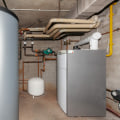
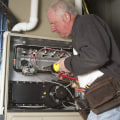
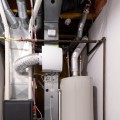
Understanding your furnace is essential for maintaining a comfortable home environment, especially during the colder months. Furnaces are the backbone of your heating system, and knowing the different types and their functions can significantly enhance your troubleshooting skills. There are several types of furnaces available, each designed to meet specific heating needs and preferences. The most common types include gas, electric, oil, and propane furnaces.
Each type operates differently, utilizing various energy sources to generate heat.Gas furnaces are among the most popular due to their efficiency and cost-effectiveness. They use natural gas or propane to produce heat, which is then distributed throughout your home via ductwork. Electric furnaces, on the other hand, rely on electric coils to generate heat and are often easier to install but may lead to higher energy bills in some regions. Oil furnaces are less common today but still serve as a reliable heating source in areas where oil is readily available.
Understanding these differences is crucial when considering furnace replacement near me, as it helps you choose the right type for your home.In addition to knowing the types of furnaces, it's important to grasp how they function. A furnace works by drawing in cold air from your home, heating it through a combustion process or electric coils, and then circulating the warm air back into your living spaces. This cycle continues until the desired temperature set on your thermostat is reached. Familiarizing yourself with this process not only aids in troubleshooting common issues but also empowers you to make informed decisions about maintenance and repairs.By understanding the various furnace types and their operational mechanisms, you lay a solid foundation for effective troubleshooting.
Whether you're dealing with a malfunctioning thermostat or considering a new installation, this knowledge will guide you in making the best choices for your heating needs.
Common Furnace Problems and Their Symptoms
Furnaces are essential for maintaining a comfortable home during the colder months, but they can encounter various issues that may disrupt their performance. Understanding the common problems and their symptoms can help homeowners identify when it’s time to seek professional assistance or consider furnace replacement near me. Here are some frequent furnace issues and the signs to watch for:- No Heat : One of the most alarming problems is when your furnace fails to produce heat. This could stem from a malfunctioning thermostat, a broken ignition system, or issues with the pilot light.
If you notice that your furnace is running but not generating warmth, it’s crucial to investigate further.
- Inconsistent Heating : If certain rooms in your home are significantly colder than others, your furnace may be struggling with airflow or ductwork issues. This inconsistency can be caused by blocked vents, dirty filters, or even problems with the blower motor.
- Strange Noises : Unusual sounds such as banging, rattling, or squeaking can indicate mechanical issues within your furnace. These noises may suggest loose components, a failing motor, or even debris obstructing the fan. Ignoring these sounds can lead to more severe damage.
- Frequent Cycling : If your furnace turns on and off frequently, it may be short cycling due to an oversized unit, a dirty filter, or a malfunctioning thermostat.
This not only affects comfort levels but can also increase energy bills.
- Yellow Pilot Light : A healthy pilot light should burn blue. If it appears yellow or orange, this could indicate incomplete combustion and the presence of carbon monoxide—a serious safety hazard. In such cases, immediate attention is necessary.
- Increased Energy Bills : A sudden spike in your heating costs can signal that your furnace is working harder than it should be due to inefficiencies. This could be due to age, lack of maintenance, or underlying mechanical issues.
Regular maintenance and timely repairs can prevent minor issues from escalating into costly replacements. If you find yourself facing persistent problems despite troubleshooting efforts, it may be time to consider contacting a professional for a thorough inspection or exploring options for furnace replacement near me.
Troubleshooting Steps for Common Issues
When your furnace starts to show signs of trouble, it can be frustrating and concerning. However, many common issues can be resolved with some basic troubleshooting steps. Below are detailed instructions to help you identify and fix these problems effectively.1.Addressing Thermostat Malfunctions
If your furnace is not responding as expected, the thermostat may be the culprit.Follow these steps:
- Check the Settings: Ensure that the thermostat is set to 'heat' and that the desired temperature is higher than the current room temperature.
- Replace Batteries: If your thermostat is battery-operated, replace the batteries to ensure it functions properly.
- Inspect Wiring: Turn off power to the furnace and check for any loose or damaged wires connected to the thermostat.
- Calibrate the Thermostat: If you suspect inaccuracies, consult your thermostat’s manual for calibration instructions.
2.Resolving Unusual Noises
Noises from your furnace can indicate various issues. Here’s how to troubleshoot:- Squeaking or Squealing: This may suggest a need for lubrication on moving parts. Apply a few drops of oil to the fan motor and other moving components.
- Rattling Sounds: Check for loose panels or screws that may need tightening. Ensure that all access doors are securely closed.
- Banging or Clanging: This could indicate a problem with the burner or ignition system.
Turn off the furnace and consult a professional if this persists.
3.Cleaning Clogged Filters
A dirty filter can significantly impact your furnace's efficiency. To clean or replace your filter:- Locate the Filter: Find where your filter is housed, typically near the blower compartment.
- Remove and Inspect: Take out the filter and inspect it for dirt and debris. If it appears clogged, it’s time for a replacement.
- Replace with Care: When installing a new filter, ensure it is oriented correctly according to airflow direction indicated on the filter frame.
4.Troubleshooting No Heat Issues
If your furnace is not producing heat, follow these steps:- Check Power Supply: Ensure that your furnace is receiving power by checking circuit breakers and fuses.
- Inspect Pilot Light or Ignition System: If you have a pilot light, make sure it’s lit. For electronic ignition systems, listen for clicking sounds indicating attempts to ignite.
- Examine Safety Switches: Check safety switches on doors and panels; if they are open, they will prevent operation.
Regular maintenance can also help prevent many of these problems from occurring in the first place.
When to Call a Professional: Signs You Need Help
While many furnace issues can be resolved with basic troubleshooting, there are certain situations where calling a professional is not just advisable but necessary. Recognizing these signs can save you from further damage and ensure the safety of your home.1.Persistent No Heat
If your furnace is running but not producing heat, this is a clear indication that something is wrong. While it might be tempting to check the thermostat or change the filter, persistent issues like this often point to more serious problems such as:- A malfunctioning ignition system
- Faulty wiring
- Issues with the gas supply
2.Unusual Noises
Furnaces are designed to operate quietly, so if you start hearing strange noises such as banging, clanking, or screeching, it’s time to call in an expert. These sounds can indicate:- Loose or damaged components
- A failing motor
- Airflow restrictions due to duct issues
3.Frequent Cycling
If your furnace frequently turns on and off (a phenomenon known as short cycling), it may be a sign of an overheating system or a malfunctioning thermostat.This not only affects your comfort but can also lead to increased energy bills and wear on your furnace. A professional can assess whether the issue lies with the thermostat settings or if there are deeper mechanical problems.
4.Yellow Pilot Light
The pilot light on your furnace should burn blue; a yellow flame indicates the presence of carbon monoxide, which is a serious safety hazard. If you notice this change in color, turn off your furnace immediately and contact a professional for assistance.5.Increased Energy Bills
If you notice a sudden spike in your energy bills without any changes in usage, it could mean that your furnace is working harder than it should due to inefficiencies. A professional can conduct an energy audit and recommend necessary repairs or upgrades.6.Age of the Furnace
If your furnace is over 15 years old and experiencing issues, it may be time to consider replacement rather than repair.A professional can help evaluate whether a new unit would be more cost-effective in the long run.In summary, while some furnace problems can be tackled with DIY solutions, recognizing when to call for furnace repair is crucial for maintaining safety and efficiency in your home. If you encounter any of these signs, don’t hesitate to reach out to a qualified technician for help.
Preventive Maintenance Tips for Your Furnace
Maintaining your furnace is crucial for ensuring its efficiency and longevity. Regular preventive maintenance can help you avoid costly repairs and keep your home warm during the cold months. Here are some essential tips to help you maintain your furnace effectively:- Change or Clean Filters Regularly: One of the simplest yet most effective maintenance tasks is to check and replace or clean your furnace filters.
Clogged filters restrict airflow, making your furnace work harder and less efficiently. Aim to check your filters every month, especially during peak usage seasons, and replace them every 1-3 months depending on the type of filter.
- Schedule Annual Professional Inspections: While there are many maintenance tasks you can handle yourself, scheduling an annual inspection with a qualified technician is essential. A professional can identify potential issues before they become major problems, ensuring that your furnace operates safely and efficiently.
- Keep the Area Around the Furnace Clear: Ensure that the area surrounding your furnace is free from clutter and debris. This not only promotes better airflow but also reduces fire hazards.
Make sure to keep at least a few feet of clearance around the unit.
- Test Your Thermostat: Regularly check that your thermostat is functioning correctly. A malfunctioning thermostat can lead to inconsistent heating and increased energy bills. Consider upgrading to a programmable thermostat for better control over your heating schedule.
- Inspect Ductwork for Leaks: Leaky ducts can significantly reduce the efficiency of your heating system. Inspect your ductwork for any visible signs of wear or damage, and seal any leaks with duct tape or mastic sealant.
This will help ensure that warm air reaches every corner of your home.
- Check the Blower Motor: The blower motor plays a vital role in circulating warm air throughout your home. Make sure it is clean and well-lubricated to prevent overheating and ensure optimal performance.
- Monitor Your Furnace’s Performance: Pay attention to how your furnace operates throughout the heating season. If you notice unusual noises, inconsistent heating, or increased energy bills, it may be time to investigate further or call a professional.
Energy Efficiency and Cost Savings with Your Furnace
Maintaining an energy-efficient furnace is not only beneficial for the environment but also for your wallet.By ensuring that your heating system operates at peak efficiency, you can significantly reduce your energy bills while keeping your home warm and comfortable.
Understanding Energy Efficiency Ratings
When considering a furnace replacement, it’s essential to look at the Annual Fuel Utilization Efficiency (AFUE) rating. This percentage indicates how much of the fuel consumed is converted into heat for your home. For example, a furnace with an AFUE of 90% converts 90% of its fuel into heat, while the remaining 10% is lost. Modern energy-efficient furnaces typically have AFUE ratings of 90% or higher, making them a wise investment for long-term savings.
Regular Maintenance for Optimal Performance
To maximize the efficiency of your furnace, regular maintenance is crucial.
Here are some tips to keep in mind:
- Change Filters Regularly: Clogged filters restrict airflow, forcing your furnace to work harder and consume more energy. Check and replace filters every 1-3 months, especially during peak heating seasons.
- Schedule Annual Inspections: Having a professional technician inspect your furnace annually can help identify potential issues before they become costly repairs. They can clean components, check for leaks, and ensure everything is functioning correctly.
- Seal Ducts: Leaky ducts can lead to significant heat loss. Sealing and insulating ducts can improve efficiency by ensuring that warm air reaches its intended destination without escaping into unconditioned spaces.
Cost Savings on Heating
Investing in an energy-efficient furnace can lead to substantial cost savings over time.
While the initial investment may be higher than traditional models, the reduction in monthly heating bills often offsets this cost within a few years. Additionally, many energy-efficient furnaces qualify for rebates or tax credits, further enhancing their affordability.
Smart Thermostats: A Smart Choice
Consider upgrading to a smart thermostat that allows you to program heating schedules based on your lifestyle. This technology can optimize your furnace's operation by reducing heating when you're not home and ensuring comfort when you return. Many smart thermostats also provide insights into your energy usage, helping you make informed decisions about your heating habits.In conclusion, maintaining an energy-efficient furnace not only contributes to environmental sustainability but also leads to significant cost savings on heating bills.
By implementing regular maintenance practices and considering upgrades like smart thermostats, homeowners can enjoy a warm home while minimizing their energy expenses.
Furnace Replacement: When Is It Time?
Deciding whether to repair or replace your furnace can be a daunting task, especially when faced with the prospect of significant expenses. However, understanding the signs that indicate it may be time for a furnace replacement can save you both money and discomfort in the long run.Signs It's Time to Replace Your Furnace
- Age of the Furnace: Most furnaces have a lifespan of about 15 to 20 years. If your unit is approaching or has surpassed this age, it may be more cost-effective to invest in a new furnace rather than continue pouring money into repairs.
- Frequent Repairs: If you find yourself calling for repairs multiple times each season, it’s a clear sign that your furnace is struggling. Frequent breakdowns not only disrupt your comfort but can also add up to significant costs over time.
- Increased Energy Bills: A sudden spike in your heating bills can indicate that your furnace is working harder than it should.
An inefficient furnace can lead to higher energy consumption, making replacement a more economical choice.
- Uneven Heating: If certain rooms in your home are consistently colder than others, it may be due to an aging or malfunctioning furnace. This uneven heating can be a sign that your system is no longer able to distribute heat effectively.
- Strange Noises: Unusual sounds such as banging, rattling, or squeaking can indicate serious issues within the furnace. While some noises may be fixable, persistent strange sounds often suggest that replacement is necessary.
When to Consider Replacement
If you notice any of these signs, it’s essential to evaluate your options carefully. Consulting with a professional HVAC technician can provide insight into whether repairs are feasible or if a new unit would be a better investment.
New Furnace Options
When considering a furnace replacement, there are several options available:
- Gas Furnaces: These are popular for their efficiency and cost-effectiveness.
Modern gas furnaces offer high AFUE (Annual Fuel Utilization Efficiency) ratings, which means they convert a significant portion of fuel into heat.
- Electric Furnaces: While generally less efficient than gas models, electric furnaces can be ideal for homes without gas lines. They are often easier to install and maintain.
- Heat Pumps: These systems provide both heating and cooling and are highly efficient in moderate climates. They work by transferring heat rather than generating it, making them an eco-friendly option.
FAQs About Furnace Troubleshooting and Maintenance
When it comes to maintaining your furnace and ensuring it operates efficiently, many homeowners have questions.Below are some of the most frequently asked questions regarding furnace troubleshooting and maintenance.
What are the signs that my furnace needs repair?
There are several indicators that your furnace may require professional attention:- Inconsistent heating: If some rooms are warm while others remain cold, it could indicate a problem with your furnace.
- Strange noises: Unusual sounds such as banging, clanking, or squeaking can signal mechanical issues.
- Increased energy bills: A sudden spike in your heating costs may suggest that your furnace is working harder than it should.
- Yellow pilot light: If the pilot light is yellow instead of blue, it may indicate incomplete combustion and a potential safety hazard.
How often should I replace my furnace filter?
It is generally recommended to check your furnace filter every month and replace it at least every three months. However, if you have pets or allergies, you may need to change it more frequently to maintain optimal airflow and efficiency.Can I troubleshoot my furnace myself?
While some minor issues can be addressed by homeowners, such as changing the filter or checking the thermostat settings, more complex problems should be handled by professionals. If you are unsure about a specific issue, it's best to consult with a qualified technician.What should I do if my furnace stops working?
If your furnace suddenly stops functioning:- Check the thermostat: Ensure it is set to 'heat' and the temperature is set higher than the current room temperature.
- Inspect the power supply: Make sure the furnace is plugged in and that any circuit breakers are not tripped.
- Look for error codes: Some modern furnaces have diagnostic lights that can indicate specific issues.
- Call a professional: If these steps do not resolve the issue, contact a heating specialist for further assistance.
How can I improve my furnace's efficiency?
To enhance your furnace's efficiency and prolong its lifespan, consider the following tips:- Regular maintenance: Schedule annual inspections and tune-ups with a qualified technician.
- Seal leaks: Check for drafts around windows and doors and seal any leaks to prevent heat loss.
- Install a programmable thermostat: This allows you to set heating schedules that align with your lifestyle, reducing energy consumption when you're not home.
Conclusion: Keeping Your Home Warm and Comfortable Year-Round
In conclusion, ensuring that your home remains warm and comfortable throughout the year is a multifaceted endeavor that requires attention to detail and proactive measures.As we have discussed, common furnace problems can arise unexpectedly, but with the right knowledge and tools, you can troubleshoot many of these issues effectively.Regular maintenance is paramount. By scheduling routine check-ups with a qualified technician, you can catch potential problems before they escalate into costly repairs. This includes tasks such as:
- Changing or cleaning filters regularly to maintain optimal airflow.
- Inspecting and cleaning ducts to prevent dust buildup that can hinder performance.
- Checking the thermostat settings to ensure accurate temperature control.
- Examining the pilot light or ignition system to confirm proper operation.
Ignoring these warning signs can lead to more severe issues that may require furnace replacement near me, which can be both inconvenient and expensive.Additionally, always prioritize safety when dealing with furnace issues. Familiarize yourself with the safety switch and ensure that your furnace is operating within safe parameters. If you ever feel uncertain about diagnosing or fixing a problem, don’t hesitate to reach out to a professional. Their expertise can save you time and prevent further complications.Ultimately, maintaining a warm and inviting home is not just about having a functioning furnace; it’s about creating a safe environment for you and your loved ones.
By implementing these expert tips and committing to regular maintenance, you can enjoy peace of mind knowing that your heating system is reliable and efficient.