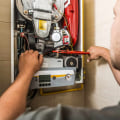
Understanding your furnace is essential for maintaining a comfortable home environment, especially during the colder months. Furnaces come in various types, each designed to meet specific heating needs and preferences. The most common types include gas furnaces , electric furnaces , and oil furnaces. Each type operates differently, utilizing distinct energy sources to generate heat.
For instance, gas furnaces burn natural gas to produce heat, while electric furnaces use electric coils to warm the air. Oil furnaces, on the other hand, burn oil to create heat, making them popular in areas where natural gas is not readily available. In addition to understanding your furnace, it's also important to consider other aspects of well-being in your home environment. For example, you might wonder, "Is there a women s mental health" aspect that needs attention during the winter months when seasonal affective disorder can impact mood and energy levels?In addition to understanding the types of furnaces, it's crucial to grasp their basic functions.
At the core of every furnace is a system that heats air and distributes it throughout your home. This process typically involves a few key components: the burner (or heating element), the heat exchanger, and the blower. The burner ignites the fuel source, generating heat that is then transferred to the air via the heat exchanger. Finally, the blower circulates this warm air through ducts and into various rooms, ensuring even heating throughout your living space.Recognizing how your furnace works can help you identify potential issues before they escalate into costly repairs or replacements.
For example, if you notice that certain rooms are not heating properly, it could indicate a problem with your furnace's blower or ductwork. By understanding these fundamentals, homeowners can make informed decisions about when to seek professional help for repairs or maintenance. This knowledge not only empowers you as a homeowner but also enhances your ability to keep your home safe and comfortable.
Common Furnace Problems and Their Solutions
Homeowners often encounter a variety of issues with their furnaces, especially during the colder months. Understanding these common furnace problems can help you troubleshoot effectively and determine when to call for professional assistance.Below are some frequent issues, their symptoms, causes, and solutions.
1.Inconsistent Heating
If you notice that certain rooms in your home are warmer or cooler than others, this could indicate an issue with your furnace. Common causes include:- Blocked Vents: Ensure that all vents are open and unobstructed by furniture or other objects.
- Dirty Air Filters: A clogged filter can restrict airflow, leading to uneven heating. Replace filters regularly to maintain optimal performance.
- Thermostat Issues: If the thermostat is malfunctioning, it may not accurately read the temperature, causing inconsistent heating.
2.Frequent Cycling
A furnace that turns on and off frequently can be frustrating and may indicate a problem.This issue can arise from:
- Oversized Furnace: If your furnace is too large for your home, it may heat the space too quickly and shut off prematurely.
- Faulty Thermostat: A malfunctioning thermostat can cause erratic cycling.
- Dirt Accumulation: Dust and debris can hinder the furnace's ability to operate efficiently.
3.Strange Noises
If your furnace starts making unusual sounds such as banging, rattling, or squeaking, it could signal a problem. Possible causes include:- Loose Parts: Components may have come loose over time.
- Dirt Build-Up: Accumulated dirt can cause parts to rub against each other.
- Mechanical Failure: Worn-out bearings or motors may produce strange noises.
Thermostat Malfunctions: Signs and Fixes
The thermostat is a critical component of your heating system, acting as the control center that regulates the temperature in your home.When it malfunctions, it can lead to a range of issues that affect your furnace's performance and overall comfort. Understanding the signs of thermostat problems and knowing how to address them can save you time, money, and frustration.
Common Signs of Thermostat Malfunction
- Inconsistent Temperatures: If you notice that some rooms are too hot while others are too cold, your thermostat may not be accurately reading the temperature.
- Frequent Cycling: A furnace that turns on and off more often than usual can indicate a faulty thermostat. This can lead to increased energy bills and wear on your system.
- No Heat: If your furnace fails to produce heat despite being set to a desired temperature, the thermostat could be the culprit.
- Unresponsive Controls: If adjusting the thermostat does not result in any change in temperature or if it fails to respond altogether, it may need repair or replacement.
Troubleshooting Thermostat Issues
If you suspect that your thermostat is malfunctioning, here are some steps you can take to troubleshoot the issue:
- Check the Power Source: Ensure that your thermostat is receiving power. If it’s battery-operated, replace the batteries.
For wired models, check for tripped circuit breakers.
- Inspect Wiring Connections: Loose or damaged wires can cause communication issues between the thermostat and furnace. Turn off power before inspecting wiring.
- Calibrate Your Thermostat: Some thermostats require calibration to ensure accurate readings. Refer to the manufacturer’s instructions for guidance on how to do this.
- Clean the Thermostat: Dust and debris can interfere with the thermostat's sensors. Gently clean around the device with a soft brush or cloth.
When to Call a Professional
If troubleshooting does not resolve the issue, or if you are uncomfortable performing these checks yourself, it’s best to contact a professional HVAC technician.
They can diagnose more complex problems and recommend whether a repair or replacement is necessary. Remember, addressing thermostat issues promptly can enhance your furnace's efficiency and prolong its lifespan.
Pilot Light Problems: What to Look For
The pilot light is a small flame that plays a crucial role in the operation of a gas furnace. It ignites the gas that flows to the burners, ensuring that your home stays warm during the colder months. However, issues with the pilot light can lead to significant heating problems.Understanding what to look for can help you troubleshoot and address these issues effectively.
Common Pilot Light Issues
- Extinguished Pilot Light: One of the most common problems is when the pilot light goes out. This can happen due to drafts, a faulty thermocouple, or a clogged pilot orifice. If you notice that your pilot light has gone out, it’s essential to relight it following the manufacturer’s instructions.
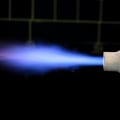
- Weak or Flickering Flame: A healthy pilot light should have a steady blue flame. If you observe a flickering or weak flame, it may indicate an issue with gas flow or air supply.
This could be caused by dirt or debris in the pilot assembly.
- Yellow or Orange Flame: A yellow or orange flame can signify incomplete combustion, which may lead to carbon monoxide production. This is a serious safety concern and should be addressed immediately by a professional.
Troubleshooting Pilot Light Problems
If you encounter any of these issues, here are some steps you can take:- Check for Drafts: Ensure that there are no drafts in the area surrounding your furnace. Close windows and doors to minimize airflow that could extinguish the pilot light.
- Inspect the Thermocouple: The thermocouple is a safety device that detects whether the pilot light is lit. If it’s faulty, it may shut off the gas supply.
Consider replacing it if necessary.
- Clean the Pilot Assembly: Dust and debris can accumulate in the pilot assembly, affecting its performance. Turn off the gas supply and carefully clean the area with compressed air or a soft brush.
Dealing with Strange Odors from Your Furnace
Furnaces are essential for maintaining a comfortable home environment, especially during the colder months. However, when strange odors begin to emanate from your furnace, it can be a cause for concern.Understanding what these smells mean is crucial for ensuring your safety and the proper functioning of your heating system.
Common Furnace Odors and Their Implications
- Burning Smell: If you notice a burning odor, it could indicate that dust or debris has accumulated on the heating elements. This is common after a furnace has been inactive for a while. However, if the smell persists, it may signal an electrical issue or overheating components, necessitating immediate professional attention.
- Gas Smell: A sulfur-like odor resembling rotten eggs is a serious warning sign. This smell is often added to natural gas as a safety measure.
If you detect this odor, evacuate your home immediately and contact emergency services or your gas company.
- Moldy or Musty Odor: A musty smell can indicate mold growth within the furnace or ductwork. This can lead to health issues and should be addressed promptly by a professional who can clean and sanitize the system.
- Chemical Smell: If you detect a strong chemical odor, it may be due to refrigerant leaks or other hazardous materials. This situation requires immediate attention from an HVAC technician to prevent potential health risks.
When to Call a Professional
If you experience any of these odors, it's essential to take them seriously. While some smells may be harmless and easily resolved, others can pose significant safety risks.
Here are some guidelines on when to call a professional:
- If the burning smell persists after initial use.
- If you smell gas or any unusual chemical odors.
- If musty odors are accompanied by visible mold or water damage.
- If you are unsure about the source of the smell or how to address it safely.
Furnace Safety Tips
To ensure your furnace operates safely and efficiently, consider these tips:
- Schedule regular maintenance checks with a qualified technician to catch potential issues early.
- Change air filters regularly to prevent dust buildup that can lead to odors.
- Install carbon monoxide detectors in your home to alert you of any dangerous gas leaks.
- Keep the area around your furnace clear of flammable materials and debris.
Frequent Cycling: Causes and Solutions
Experiencing frequent cycling in your furnace can be frustrating and may indicate underlying issues that need to be addressed. Frequent cycling refers to the furnace turning on and off more often than necessary, which can lead to inefficiencies and increased energy costs. Understanding the causes of this phenomenon is crucial for homeowners looking to maintain their heating systems effectively.Common Causes of Frequent Cycling
- Improper Thermostat Settings: One of the most common reasons for frequent cycling is incorrect thermostat settings. If your thermostat is set too high, the furnace will work harder to reach that temperature, leading to rapid cycling.
- Dirty Air Filters: A clogged or dirty air filter restricts airflow, causing the furnace to overheat and shut down prematurely.
Regularly replacing or cleaning your air filter can help maintain proper airflow and prevent this issue.
- Oversized Furnace: If your furnace is too large for your home, it will heat the space too quickly, resulting in short cycles. An oversized unit may not run long enough to effectively distribute heat, leading to discomfort and inefficiency.
- Faulty Thermostat: A malfunctioning thermostat can send incorrect signals to the furnace, causing it to cycle on and off erratically. If you suspect your thermostat is faulty, consider having it tested or replaced by a professional.
- Blocked Vents: Ensure that all supply and return vents are unobstructed. Blocked vents can lead to pressure imbalances in the system, causing the furnace to cycle frequently.
Solutions to Improve Efficiency
Addressing frequent cycling not only improves comfort but also enhances the overall efficiency of your heating system.Here are some effective solutions:
- Adjust Thermostat Settings: Review your thermostat settings and adjust them to a more moderate temperature. Consider using a programmable thermostat that can automatically adjust temperatures based on your schedule.
- Regular Maintenance: Schedule regular maintenance checks with a qualified HVAC technician. They can clean components, check for blockages, and ensure that your system is operating efficiently.
- Replace Air Filters: Make it a habit to check and replace air filters every 1-3 months, especially during peak heating seasons. This simple step can significantly improve airflow and reduce cycling.
- Consider System Size: If you suspect that your furnace is oversized for your home, consult with an HVAC professional about potential replacement options or modifications that could improve efficiency.
If problems persist despite these efforts, it may be time to seek professional assistance or consider options like furnace replacement near me.
The Importance of Regular Maintenance for Your Furnace
Regular maintenance of your furnace is not just a good practice; it is essential for ensuring the longevity and efficiency of your heating system. By investing time and effort into routine upkeep, you can prevent minor issues from escalating into major repairs, ultimately saving you money and ensuring a comfortable home environment.Why Regular Maintenance Matters
- Improved Efficiency: A well-maintained furnace operates more efficiently, which can lead to lower energy bills. Dust and debris can accumulate in the system, causing it to work harder than necessary. Regular cleaning and filter changes help maintain optimal airflow.
- Extended Lifespan: Just like any other appliance, furnaces have a lifespan that can be significantly extended with proper care.
Regular maintenance can help identify potential problems early, allowing for timely repairs that can prolong the life of your unit.
- Enhanced Safety: Furnaces that are not properly maintained can pose safety risks, including carbon monoxide leaks. Routine inspections ensure that all components are functioning correctly and safely.
- Consistent Comfort: Regular service helps maintain consistent heating throughout your home. This means fewer cold spots and a more comfortable living environment during the winter months.
Best Practices for Furnace Maintenance
- Change Filters Regularly: One of the simplest yet most effective maintenance tasks is changing your furnace filter. Depending on usage, filters should be replaced every 1-3 months to ensure proper airflow and efficiency.
- Schedule Annual Inspections: It’s advisable to have a professional technician inspect your furnace at least once a year.
They can perform comprehensive checks, clean components, and make necessary adjustments to keep your system running smoothly.
- Keep Vents Clear: Ensure that all vents and registers are unobstructed by furniture or other items. This allows for proper airflow and prevents strain on the system.
- Test the Thermostat: Regularly check your thermostat to ensure it is functioning correctly. Consider upgrading to a programmable thermostat for better temperature control and energy savings.
When to Consider Furnace Replacement: Key Indicators
Deciding whether to repair or replace your furnace can be a daunting task for any homeowner.Understanding the key indicators that suggest it might be time for a furnace replacement is crucial for maintaining a comfortable and efficient home environment. Here are some significant signs to consider:
- Age of the Furnace: One of the most critical factors in determining whether to replace your furnace is its age. Most furnaces have a lifespan of about 15 to 20 years. If your unit is approaching or has surpassed this age, it may be less efficient and more prone to breakdowns.
Investing in a new, energy-efficient furnace can save you money on energy bills in the long run.
- Increased Energy Bills: If you notice a significant spike in your heating costs, it could indicate that your furnace is no longer operating efficiently. Older models tend to consume more energy, leading to higher utility bills. Upgrading to an energy-efficient model can help reduce these costs.
- Frequent Repairs: If you find yourself calling for repairs multiple times each season, it may be more cost-effective to replace the unit rather than continue investing in repairs. A good rule of thumb is the "$5,000 rule"—if the cost of repairs exceeds $5,000 or 50% of the cost of a new furnace, replacement is likely the better option.
- Uneven Heating: Inconsistent temperatures throughout your home can indicate that your furnace is struggling to distribute heat effectively.
This issue may stem from an aging system that cannot keep up with demand, suggesting that replacement might be necessary.
- Strange Noises: Unusual sounds such as banging, rattling, or squeaking can signal serious issues within your furnace. While some noises can be repaired, persistent or alarming sounds often indicate that the unit is nearing the end of its life.
- Yellow Burner Flame: A healthy gas furnace should have a blue flame. If you notice a yellow or flickering flame, it could indicate incomplete combustion and potential safety hazards like carbon monoxide leaks. In such cases, replacing the furnace is essential for safety.
If you're experiencing any of these issues, consulting with a professional HVAC technician can provide clarity on whether it's time for a furnace replacement. Investing in a new system not only enhances comfort but also contributes to energy efficiency and safety in your home.
FAQs About Furnace Repairs and Maintenance
When it comes to furnace repairs and maintenance, homeowners often have a multitude of questions. Understanding these common queries can help you make informed decisions about your heating system. Here are some frequently asked questions regarding furnace repairs and maintenance:When it comes to furnace repairs and maintenance, homeowners often have a multitude of questions. Understanding these common queries can help you make informed decisions about your heating system. Here are some frequently asked questions regarding furnace repairs and maintenance:What are the signs that my furnace needs repair?
There are several indicators that your furnace may require attention:- Inconsistent heating: If some rooms are warmer than others or if the temperature fluctuates significantly, it may indicate a problem.
- Strange noises: Unusual sounds such as banging, rattling, or squeaking can signal mechanical issues.
- Increased energy bills: A sudden spike in your heating costs could mean your furnace is working harder than it should due to inefficiencies.
- Yellow pilot light: For gas furnaces, a yellow or flickering pilot light can indicate incomplete combustion and potential safety hazards.
- Frequent cycling: If your furnace turns on and off more frequently than normal, it may be a sign of an underlying issue.
How often should I have my furnace serviced?
It is recommended to have your furnace professionally serviced at least once a year.Regular maintenance helps ensure that your system operates efficiently and can prevent costly repairs down the line. During a service visit, a technician will typically check the following:
- Air filters
- Thermostat calibration
- Gas connections
- Burner assembly
- Heat exchanger for cracks
Can I perform maintenance on my furnace myself?
While some basic maintenance tasks can be performed by homeowners, such as changing air filters and cleaning vents, it is advisable to leave more complex tasks to professionals. Attempting to fix intricate issues without proper training can lead to further damage or safety risks.What should I do if I smell gas near my furnace?
If you detect a gas smell near your furnace, it is crucial to take immediate action:- Evacuate the area: Leave the premises immediately.
- Avoid using electrical devices: Do not turn on lights or use any electrical appliances.
- Call for help: Once you are at a safe distance, contact your gas company or emergency services.
How long does a furnace typically last?
The lifespan of a furnace can vary based on several factors, including the type of system and how well it has been maintained. On average, most furnaces last between 15 to 20 years.If your furnace is approaching this age, consider planning for a furnace replacement near me, as older systems tend to become less efficient and more prone to breakdowns.
Conclusion: Keeping Your Furnace Running Smoothly
In summary, maintaining a well-functioning furnace is essential for ensuring comfort and safety in your home. Throughout this article, we have explored various common furnace issues, from thermostat malfunctions to clogged exhaust vents, and highlighted the importance of addressing these problems promptly. Understanding these issues not only helps you recognize when to call for professional assistance but also empowers you to take proactive measures in maintaining your heating system.Regular maintenance is a cornerstone of furnace longevity and efficiency. Scheduling annual inspections with a qualified HVAC technician can help identify potential problems before they escalate into costly repairs.During these maintenance visits, technicians can clean components, check for gas leaks, and ensure that your system is operating at peak performance.Additionally, being aware of the signs that indicate your furnace may need attention can save you from unexpected breakdowns. For instance, if you notice unusual noises, inconsistent heating, or strange odors emanating from your furnace, it’s crucial to act quickly. Ignoring these warning signs can lead to more severe issues down the line, including complete system failure.Moreover, if your furnace is over 15 years old, it may be time to consider a furnace replacement. Newer models are designed to be more energy-efficient, which can significantly reduce your heating bills while providing reliable warmth during the cold months.In conclusion, by staying informed about common furnace repairs and prioritizing regular maintenance, you can keep your heating system running smoothly and efficiently.
This not only enhances your comfort but also contributes to the overall safety of your home. If you ever find yourself in need of assistance, don’t hesitate to reach out to local professionals who specialize in furnace replacement near me or repairs. Your comfort and safety are worth it!.