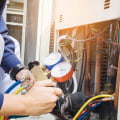
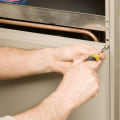
Understanding how your furnace operates is essential for any homeowner. A furnace is a critical component of your home’s heating system, responsible for keeping your living space warm and comfortable during the colder months. By familiarizing yourself with the basic functions and components of a furnace, you can better identify its current state and recognize when it may be showing signs of wear and tear, potentially saving you from costly repairs or replacements.At its core, a furnace works by converting fuel into heat. This process typically involves several key components, including the burner, heat exchanger, blower, and thermostat. Understanding how your furnace operates is essential for any homeowner. A furnace is a critical component of your home’s heating system, responsible for keeping your living space warm and comfortable during the colder months. By familiarizing yourself with the basic functions and components of a furnace, you can better identify its current state and recognize when it may be showing signs of wear and tear, potentially saving you from costly repairs or replacements.At its core, a furnace works by converting fuel into heat. This process typically involves several key components, including the burner, heat exchanger, blower, and thermostat.
The burner ignites the fuel—whether it be natural gas, propane, or electricity—creating heat that is then transferred to the heat exchanger. The heat exchanger is crucial as it allows the warm air to circulate throughout your home without mixing with combustion gases. Once the air is heated, the blower pushes it through ductwork and into various rooms, ensuring even distribution of warmth.In addition to these primary components, furnaces also include safety features such as limit switches and flame sensors that help prevent malfunctions and ensure safe operation. Understanding these elements not only enhances your knowledge but also empowers you to recognize when something might be amiss.
For instance, if you notice unusual noises or fluctuating temperatures in your home, it could indicate that one of these components is failing.By grasping the fundamentals of how a furnace operates and its essential parts, you can take proactive steps in maintaining your heating system. Regular inspections and timely repairs can extend the lifespan of your furnace and improve its efficiency. This knowledge is particularly valuable when searching for furnace replacement near me, as it allows you to make informed decisions about your heating needs.
Common Signs of Wear and Tear in Furnaces
Recognizing the signs of wear in your furnace is crucial for maintaining a comfortable and safe home environment. Ignoring these indicators can lead to more significant issues down the line, including costly repairs or even complete system failure.Here are some common signs that your furnace may be showing its age:
- Frequent Repairs: If you find yourself calling for repairs more often than usual, it’s a clear sign that your furnace is struggling. While occasional maintenance is normal, a pattern of frequent breakdowns can indicate that your system is nearing the end of its lifespan. Consider the cumulative cost of these repairs; investing in a new furnace may be more economical in the long run.
- Unusual Noises: Furnaces typically produce some noise during operation, but if you start hearing strange sounds like banging, rattling, or squeaking, it could signal mechanical issues. These noises often arise from loose components or worn-out parts that need immediate attention.
- Rising Heating Bills: A sudden spike in your heating costs can indicate that your furnace is no longer operating efficiently.
As furnaces age, they tend to consume more energy to produce the same amount of heat. If your bills are climbing without a corresponding increase in usage, it might be time to evaluate your system.
- Inconsistent Heating: If certain rooms in your home are significantly warmer or cooler than others, this inconsistency may point to a malfunctioning furnace. A well-functioning system should distribute heat evenly throughout your space. If you notice temperature fluctuations, it’s advisable to have a professional inspect your unit.
- Short Cycling: This term refers to when a furnace turns on and off frequently without completing a full heating cycle.
Short cycling can be caused by various issues, including thermostat problems or airflow obstructions. This not only affects comfort but also leads to increased wear and tear on the system.
- Water Leaks: Finding water pooling around your furnace can be alarming and is often indicative of a serious issue, such as a cracked heat exchanger or a malfunctioning condensate pump. Water damage can lead to further complications if not addressed promptly.
Investing in a new model can enhance efficiency and provide peace of mind during the colder months.
Frequent Repairs: A Red Flag for Your Furnace
When your furnace starts requiring frequent repairs , it can be a significant indicator that the unit is nearing the end of its lifespan. While occasional maintenance is expected for any heating system, a pattern of repeated issues often suggests deeper problems that could compromise both efficiency and safety.One of the first considerations when facing frequent repairs is the cost of furnace repairs. Minor fixes may seem manageable at first, but as the frequency of these repairs increases, so does the financial burden. Homeowners should keep track of repair costs over time.If you find yourself spending more on repairs than you would on a new unit, it may be time to consider a replacement.Additionally, consider the age of your furnace. Most furnaces have a lifespan of about 15 to 20 years. If your unit is approaching or exceeding this age and requires multiple repairs within a short period, it’s wise to evaluate whether investing in a new furnace would be more cost-effective in the long run.
Repair vs Replace: Making the Right Choice
Deciding whether to repair or replace your furnace can be challenging. Here are some factors to consider:- Age of the Furnace: If your furnace is over 15 years old and needs frequent repairs, replacement is often the better option.
- Repair Costs: A good rule of thumb is to multiply the age of your furnace by the cost of the repair.
If this total exceeds $5,000, replacement may be more economical.
- Energy Efficiency: Older furnaces tend to be less efficient, leading to higher energy bills. A new model could save you money on heating costs.
- Safety Concerns: Frequent repairs can indicate potential safety hazards, such as gas leaks or carbon monoxide issues. In such cases, replacing the unit may be necessary for peace of mind.
Rusty Flue: A Serious Concern
The flue is a critical component of your furnace system, responsible for venting harmful gases, including carbon monoxide (CO), safely outside your home.When functioning properly, the flue ensures that these dangerous byproducts of combustion do not accumulate indoors, where they can pose serious health risks. However, if you notice signs of rust on your flue, it could indicate underlying issues that require immediate attention.
Signs of a Rusty Flue
- Visible Rust: The most obvious sign is the presence of rust on the exterior of the flue. This can appear as orange or brown spots and may indicate moisture intrusion.
- Flaking or Peeling: If you see flaking paint or peeling metal around the flue, it’s a sign that corrosion is taking place.
- Unusual Odors: A rusty flue may emit strange smells, particularly if it’s leaking gases. If you detect a metallic or acrid odor near your furnace, it’s essential to investigate further.
- Water Stains: Look for water stains around the base of the flue or on nearby walls.
This could indicate that moisture is accumulating due to a leak.
The Importance of Flue Maintenance
Regular maintenance of your flue is crucial for ensuring its proper function and longevity. Here are some maintenance tips to consider:
- Annual Inspections: Schedule yearly inspections with a qualified technician who can assess the condition of your flue and identify any potential issues before they escalate.
- Clear Obstructions: Ensure that the flue is free from debris, such as leaves or nests, which can block airflow and lead to dangerous situations.
- Check for Leaks: Regularly inspect the joints and connections in your flue system for any signs of leaks or corrosion.
Health Risks Associated with a Malfunctioning Flue
A malfunctioning flue can lead to serious health risks due to carbon monoxide exposure. CO is a colorless, odorless gas that can be deadly in high concentrations. Symptoms of CO poisoning include:
- Headaches
- Dizziness
- Nausea
- Confusion
- Lethargy
It’s crucial to have your furnace and flue inspected as soon as possible to prevent further risks.In conclusion, maintaining a healthy flue system is essential for both the efficiency of your furnace and the safety of your home. If you notice any signs of rust or other issues with your flue, don’t hesitate to contact a professional for an evaluation. Taking proactive steps can help ensure that your home remains safe and comfortable during the heating season.
Animal Damage: An Often Overlooked Issue
When it comes to maintaining your furnace, one of the most frequently overlooked issues is animal damage. Rodents and other small animals can wreak havoc on your heating system, leading to costly repairs or even complete replacement.Understanding how these creatures can affect your furnace and recognizing the signs of their activity is crucial for homeowners.
Signs of Rodent Activity
- Chewed Wires: One of the most common indicators of rodent activity is the presence of chewed wires. Mice and rats have a natural instinct to gnaw on materials to keep their teeth from growing too long. If you notice frayed or damaged wires near your furnace, it could be a sign that rodents have made their way into your home.
- Nests and Droppings: Look for signs of nests made from shredded paper, insulation, or other materials. Additionally, rodent droppings are a clear indication of their presence.
These small, dark pellets can often be found near the furnace or in areas where they may have entered your home.
- Unusual Noises: If you hear scratching or scurrying sounds coming from your furnace area, it’s likely that animals are nesting within or around your heating system. Pay attention to these noises, especially during quiet times when the furnace is not running.
Preventing Animal Damage
To protect your furnace from potential animal damage, consider implementing the following preventive measures:
- Seal Entry Points: Inspect your home for any gaps or holes that could serve as entry points for rodents. Pay special attention to areas around pipes, vents, and the foundation. Use caulk or steel wool to seal these openings effectively.
- Maintain Cleanliness: Keeping your home clean and free of food debris can deter rodents from entering.
Store food in airtight containers and promptly clean up spills and crumbs.
- Regular Inspections: Schedule regular inspections of your heating system by a professional technician. They can identify potential issues before they escalate and ensure that your furnace is functioning efficiently.
- Use Traps or Deterrents: Consider placing traps in areas where you suspect rodent activity. Additionally, using natural deterrents like peppermint oil can help keep these pests at bay.
Thermostat Troubles: When Your Furnace Can't Keep Up
Your thermostat plays a crucial role in regulating your home’s temperature, acting as the command center for your heating system. When it malfunctions, it can lead to significant issues with your furnace's efficiency and overall performance.Understanding the signs of thermostat failure and knowing how to troubleshoot these problems can save you time, money, and discomfort during the colder months.
Common Signs of Thermostat Issues
- Inconsistent Temperatures: If you find that certain rooms are too hot while others are too cold, your thermostat may not be accurately reading the temperature or communicating effectively with your furnace.
- Frequent Cycling: A thermostat that turns the furnace on and off too frequently can cause wear and tear on the system. This short cycling can lead to increased energy bills and reduced comfort.
- Unresponsive Controls: If adjusting the thermostat does not result in any change in temperature, it may indicate a malfunction. This could be due to dead batteries in a digital thermostat or a more serious internal issue.
- Incorrect Temperature Readings: If you notice that the temperature displayed on your thermostat does not match the actual room temperature, it may need recalibration or replacement.
Troubleshooting Your Thermostat
Before calling a professional, there are several steps you can take to troubleshoot your thermostat:- Check the Batteries: For battery-operated thermostats, start by replacing the batteries. This simple step can often resolve unresponsive controls.
- Inspect Wiring Connections: Ensure that all wires are securely connected.
Loose or frayed wires can disrupt communication between the thermostat and furnace.
- Clean the Thermostat: Dust and debris can accumulate inside your thermostat, affecting its performance. Gently clean it with a soft brush or cloth.
- Recalibrate if Necessary: Some thermostats allow for recalibration. Refer to your user manual for instructions on how to adjust settings for accurate readings.
When to Seek Professional Help
If you’ve tried troubleshooting without success, it may be time to consult a professional. Signs that indicate you should seek expert assistance include:- The thermostat is still unresponsive after replacing batteries and checking connections.
- You notice any burning smells or unusual noises coming from the unit.
- The problem persists despite cleaning and recalibrating.
They can also recommend whether a simple repair is sufficient or if a full furnace replacement near me is necessary due to age or inefficiency.
Unusual Noises: What They Mean for Your Furnace
When it comes to diagnosing issues with your furnace, paying attention to unusual noises can be a crucial step. Each sound can indicate a different problem, and understanding these noises can help you determine whether it's time to seek professional help or if a simple fix will suffice.Common Furnace Noises and Their Implications
Here are some of the most common sounds you might hear from your furnace and what they could mean:- Banging or Clanging: This noise often suggests that there are loose components within the furnace. It could be a sign of a malfunctioning blower motor or loose ductwork. Ignoring this sound may lead to more significant mechanical issues.
- Rattling: A rattling sound can indicate that something is loose inside the furnace, such as screws or panels.
It may also suggest that debris has entered the system, obstructing airflow. Regular maintenance can help prevent this issue.
- Squeaking or Squealing: If you hear a high-pitched squeal, it may be due to worn-out bearings in the blower motor or a belt that needs lubrication. This sound should not be ignored, as it can lead to further damage if not addressed promptly.
- Hissing: A hissing noise could indicate a gas leak or an issue with the heat exchanger. This is a serious concern and requires immediate attention from a qualified technician to ensure safety.
- Clicking: While some clicking sounds are normal during startup, persistent clicking may suggest an electrical issue or a problem with the ignition system.
If this noise continues after the furnace has started, it’s best to consult a professional.
Diagnosing Furnace Sounds
To effectively diagnose the sounds coming from your furnace, consider the following steps:- Identify the Sound: Take note of when the noise occurs—during startup, while running, or when shutting down. This information can help technicians pinpoint the issue.
- Check for Other Symptoms: Look for additional signs of trouble, such as fluctuating temperatures, increased energy bills, or frequent cycling on and off.
- Consult a Professional: If you’re unsure about the source of the noise or if it persists despite your efforts to troubleshoot, it’s wise to call in an expert. They can perform a thorough inspection and recommend necessary repairs.
Rising Heating Bills: A Sign of Inefficiency?
As winter approaches, many homeowners begin to notice a significant increase in their heating bills.This rise can often be attributed to a furnace that is no longer operating at peak efficiency. Understanding the causes of these escalating costs is crucial for homeowners who want to maintain a comfortable living environment without breaking the bank.
Common Causes of High Heating Bills
- Age of the Furnace: One of the primary reasons for increased heating costs is the age of your furnace. Most furnaces have a lifespan of 15 to 20 years. As they age, their efficiency tends to decline, leading to higher energy consumption.
- Dirty Filters: A clogged or dirty air filter can restrict airflow, forcing your furnace to work harder to heat your home.
Regularly changing or cleaning your filters can help maintain efficiency and lower costs.
- Improper Maintenance: Neglecting routine maintenance can lead to various issues, including mechanical failures and reduced efficiency. Annual inspections by a qualified technician can help identify and resolve potential problems before they escalate.
- Poor Insulation: If your home is not well-insulated, heat can escape easily, causing your furnace to run longer and consume more energy. Ensuring that your home is properly insulated can significantly reduce heating costs.
- Thermostat Issues: An outdated or malfunctioning thermostat may not accurately gauge the temperature in your home, leading to unnecessary heating cycles. Upgrading to a programmable or smart thermostat can optimize your heating schedule and save money.
Energy Efficiency in Modern Furnaces
If you find that your heating bills are consistently rising despite regular maintenance and care, it may be time to consider a furnace replacement.
Modern furnaces are designed with energy efficiency in mind, often featuring advanced technology that allows them to use less fuel while providing the same level of comfort.When looking for a new furnace, consider models with a high Annual Fuel Utilization Efficiency (AFUE) rating. Furnaces with an AFUE rating of 90% or higher convert most of their fuel into heat, which can lead to substantial savings on your energy bills over time.
When to Replace Your Furnace
Deciding when to replace your furnace can be challenging. However, if you notice a consistent increase in heating costs alongside other signs of wear and tear—such as unusual noises or frequent repairs—it may be time to invest in a new unit. Additionally, if your furnace is over 15 years old and has an AFUE rating below 80%, replacing it with a more efficient model could result in significant long-term savings.In conclusion, rising heating bills are often a clear indicator that your furnace is struggling with efficiency.
By understanding the causes behind these increases and considering modern energy-efficient models for replacement, you can ensure that your home remains warm and comfortable without incurring excessive costs.
Short Cycling: Understanding This Common Issue
Short cycling is a term used to describe a situation where a furnace turns on and off frequently without completing a full heating cycle. This issue can be frustrating for homeowners, as it not only disrupts the comfort of your living space but also indicates underlying problems that could lead to more significant issues down the line.Causes of Short Cycling
- Thermostat Issues: A malfunctioning thermostat can misread the temperature in your home, causing the furnace to shut off prematurely. If the thermostat is placed in an area that is too warm or too cold, it may not accurately reflect the overall temperature, leading to short cycling.
- Dirty Air Filters: Clogged or dirty air filters restrict airflow, forcing the furnace to work harder to heat your home. This increased strain can cause the system to overheat and shut down before completing its cycle.
- Improperly Sized Furnace: If your furnace is too large for your home, it will heat the space too quickly and shut off before running its full cycle.
This not only leads to short cycling but can also result in uneven heating throughout your home.
- Faulty Components: Issues with internal components such as the limit switch or flame sensor can cause the furnace to turn off unexpectedly. These components are crucial for safe operation and should be inspected regularly.
Effects on Furnace Lifespan
Short cycling can significantly impact the lifespan of your furnace. When a furnace frequently turns on and off, it experiences increased wear and tear on its components. This constant cycling can lead to:
- Increased Energy Costs: Frequent cycling means that your furnace is using more energy than necessary, leading to higher utility bills.
- Component Failure: The added stress on parts like the motor and blower can lead to premature failure, necessitating costly repairs or even a complete replacement.
- Reduced Comfort: Short cycling often results in inconsistent temperatures throughout your home, making it difficult to maintain a comfortable environment.
Consulting with a professional technician can help identify the root cause and ensure that your heating system operates efficiently and effectively for years to come.
<strong>Difficulty Maintaining Temperature</strong>: A Warning Sign?
Experiencing temperature fluctuations in your home can be more than just an inconvenience; it may signal deeper issues with your furnace or thermostat. When your heating system struggles to maintain a consistent temperature, it can lead to discomfort and increased energy bills. Understanding the potential causes of these fluctuations is crucial for ensuring your home remains warm and energy-efficient.One of the primary reasons for inconsistent heating is a malfunctioning thermostat. The thermostat acts as the brain of your heating system, regulating when the furnace should turn on and off based on the temperature settings you’ve chosen.If the thermostat is faulty or improperly calibrated, it may not accurately read the temperature in your home, leading to inconsistent heating. In some cases, simply replacing or recalibrating the thermostat can resolve these issues.Another common culprit behind temperature inconsistencies is a dirty or clogged air filter. A furnace relies on proper airflow to function efficiently. When the air filter becomes dirty, it restricts airflow, causing the furnace to work harder to heat your home.
This can result in uneven heating, where some rooms feel warm while others remain chilly. Regularly changing or cleaning your air filter can help maintain optimal airflow and improve overall furnace performance.Additionally, ductwork issues can contribute to temperature fluctuations. Leaks or blockages in the duct system can prevent heated air from reaching certain areas of your home. If you notice that specific rooms are consistently colder than others, it may be time to inspect your ductwork for any signs of damage or obstruction.Lastly, if your furnace is aging or has not been properly maintained, it may struggle to keep up with your heating demands.
Older furnaces often lose efficiency over time, leading to performance problems that manifest as inconsistent temperatures throughout your home. If your furnace is over 15 years old and you’re experiencing these issues, it might be worth considering a furnace replacement near me to ensure reliable heating.In conclusion, difficulty maintaining a consistent temperature in your home should not be ignored. Whether it's a malfunctioning thermostat, dirty filters, ductwork issues, or an aging furnace, addressing these problems promptly can save you money on energy bills and enhance your comfort during colder months.
Water Leaks: What They Indicate About Your Furnace
Water leaks around your furnace can be a troubling sign, indicating potential issues that require immediate attention. Understanding the causes of these leaks is crucial for maintaining the health of your heating system and ensuring the safety of your home.Common Causes of Water Leaks
- Condensate Drain Issues: Many modern furnaces, especially high-efficiency models, produce condensate as a byproduct of the heating process.
If the condensate drain becomes clogged or damaged, it can lead to water pooling around the furnace.
- Faulty Humidifier: If your furnace is equipped with a humidifier, a malfunction can cause excess water to leak. Regular maintenance of the humidifier is essential to prevent leaks.
- Cracked Heat Exchanger: A more serious issue could be a cracked heat exchanger, which not only leads to water leaks but can also pose safety risks by allowing carbon monoxide to escape into your home.
- Piping Issues: Leaks can also originate from nearby plumbing pipes. If there are any cracks or loose fittings in the pipes that run near your furnace, they may cause water to drip onto the furnace.
Implications of Water Leaks
Ignoring water leaks can lead to significant damage over time. Water can corrode metal components, leading to rust and further mechanical failures.
Additionally, standing water can create an environment conducive to mold growth, which poses health risks to you and your family.
Timely Repairs and Maintenance Tips
- Regular Inspections: Schedule annual inspections with a qualified technician who can identify potential issues before they escalate.
- Clear Condensate Lines: Ensure that condensate lines are clear and functioning properly. This may involve flushing the lines periodically to prevent clogs.
- Monitor Humidifier Functionality: Check your humidifier regularly for signs of wear or malfunction. Replace filters as needed and ensure that it is draining properly.
- Address Plumbing Issues Promptly: If you notice any leaks from nearby plumbing, address them immediately to prevent further complications.
When Is It Time to Replace Your Furnace?
Deciding whether to repair or replace your furnace can be a daunting task for any homeowner.Understanding the signs that indicate it may be time for a furnace replacement is crucial for maintaining a comfortable and safe home environment. Here are some key factors to consider when evaluating your furnace's condition.
- Age of the Furnace: The average lifespan of a furnace is typically between 15 to 20 years. If your unit is approaching or has surpassed this age, it may be more cost-effective to invest in a new model rather than continue pouring money into repairs.
- Frequent Repairs: If you find yourself calling for repairs multiple times a year, it’s a clear indication that your furnace is struggling. Frequent breakdowns not only disrupt your comfort but can also lead to escalating repair costs that exceed the price of a new unit.
- Rising Energy Bills: An increase in your heating bills can signal that your furnace is no longer operating efficiently.
As furnaces age, they tend to lose their efficiency, requiring more energy to produce the same amount of heat. If you notice a significant spike in your energy costs, it might be time to consider a replacement.
- Inconsistent Heating: If certain rooms in your home are consistently colder than others, or if you experience fluctuating temperatures, this could indicate that your furnace is unable to distribute heat evenly. This inconsistency can stem from various issues, including ductwork problems or an aging furnace that can no longer perform effectively.
- Unusual Noises: While some noise is normal during operation, loud or strange sounds such as banging, rattling, or squeaking can indicate serious mechanical issues. If these noises become frequent, it’s advisable to consult with a professional who can assess whether repair or replacement is necessary.
- Yellow Burner Flame: A healthy furnace should have a blue flame.
If you notice a yellow or flickering flame, this could indicate incomplete combustion and the potential presence of carbon monoxide—a serious safety hazard. In such cases, immediate replacement is recommended.
Choosing a New Furnace: What to Consider
When it comes to furnace replacement, making the right choice is crucial for ensuring comfort, efficiency, and cost-effectiveness in your home.Here are some key factors to consider when selecting a new furnace:
Types of Furnaces
- Gas Furnaces: These are among the most common types, utilizing natural gas or propane. They are known for their efficiency and ability to heat a home quickly.
- Electric Furnaces: While generally less expensive to install, electric furnaces can lead to higher energy bills. They are ideal for areas with mild winters.
- Oil Furnaces: These are less common but can be effective in colder climates. They require more maintenance and have fluctuating fuel costs.
- Heat Pumps: Although not traditional furnaces, heat pumps can provide both heating and cooling.
They are highly efficient but may struggle in extremely cold temperatures.
Efficiency Ratings
Furnace efficiency is measured by the Annual Fuel Utilization Efficiency (AFUE) rating. This percentage indicates how much of the fuel is converted into usable heat. Here’s what to look for:- High-Efficiency Furnaces: Look for models with an AFUE rating of 90% or higher. These units use less fuel and can significantly reduce your heating bills.
- Mid-Efficiency Furnaces: These typically have an AFUE rating between 80% and 89%.
They are a good balance between cost and efficiency.
- Standard Efficiency Furnaces: With an AFUE rating below 80%, these models are becoming less common due to their lower efficiency and higher operating costs.
Features to Consider
In addition to type and efficiency, consider the following features when choosing a new furnace:- Variable Speed Blowers: These provide better temperature control and can improve energy efficiency by adjusting airflow based on heating needs.
- Smart Thermostats: Integrating a smart thermostat can enhance your furnace's efficiency by allowing you to program heating schedules and monitor usage remotely.
- Noisy Operation: Look for models designed for quiet operation, especially if your furnace is located near living spaces.
Finding Furnace Replacement Services Near You
When it comes to furnace replacement near me, finding a reliable contractor is crucial for ensuring that your new system is installed correctly and operates efficiently. Here are some effective strategies to help you locate trustworthy furnace installation services in your area.1.Start with Online Research
- Utilize search engines to look for HVAC contractors in your locality. Use specific keywords like "furnace replacement near me" or "furnace installation services" to narrow down your options.
- Check local business directories and review sites such as Yelp, Angie's List, or Google Reviews.
These platforms often provide customer feedback and ratings that can give you insight into the quality of service offered by different contractors.
2.Ask for Recommendations
- Reach out to friends, family, or neighbors who have recently had furnace work done. Personal recommendations can lead you to reliable contractors who have proven their worth.
- If you belong to local community groups on social media, consider posting a request for recommendations. This can yield valuable insights from people in your area.
3.Verify Credentials
- Once you have a list of potential contractors, check their credentials. Ensure they are licensed and insured to operate in your state.
This protects you from liability in case of accidents during installation.
- Look for certifications from recognized organizations such as the North American Technician Excellence (NATE) or the Air Conditioning Contractors of America (ACCA). These certifications indicate a higher level of expertise and professionalism.
4.Request Estimates
- Contact several contractors to request detailed estimates for the furnace replacement. A reputable contractor will provide a written estimate that includes labor, materials, and any additional costs.
- Compare the estimates carefully, but remember that the lowest price isn’t always the best option. Consider the contractor’s reputation and experience as well.
5.Read Reviews and Testimonials
- Dive deeper into online reviews to gauge customer satisfaction.
Look for patterns in feedback regarding punctuality, professionalism, and quality of work.
- If possible, ask the contractor for references from previous clients. Speaking directly with past customers can provide valuable insights into their experiences.
6.Evaluate Customer Service
- Pay attention to how contractors communicate with you during the initial inquiry process. A responsive and informative contractor is likely to provide good service throughout the installation process.
- Ask questions about warranties, maintenance plans, and post-installation support to ensure you’re making an informed decision.
Conclusion: Key Takeaways for Homeowners
As a homeowner, understanding the signs of wear and tear in your furnace is crucial for maintaining a safe and comfortable living environment. Throughout this article, we have explored various indicators that suggest your furnace may be nearing the end of its lifespan.Recognizing these signs early can save you from costly repairs and ensure your home remains warm during the colder months.
Key Takeaways:
- Frequent Repairs: If you find yourself calling for repairs more often than usual, it may be time to consider a replacement. Continuous repairs can quickly add up, making a new furnace a more economical choice in the long run.
- Unusual Noises: Pay attention to any strange sounds coming from your furnace. Noises such as banging, rattling, or excessive shaking can indicate mechanical issues that require professional attention.
- Rising Energy Bills: A significant increase in your heating bills could signal that your furnace is no longer operating efficiently. If your unit is over 15 years old and you notice this trend, it might be time to explore newer, more energy-efficient models.
- Temperature Fluctuations: Difficulty maintaining a consistent temperature can point to underlying problems with your furnace or thermostat.
Regular maintenance checks can help identify these issues before they escalate.
- Water Leaks: Any signs of water around your furnace should not be ignored. This could indicate serious issues like a cracked heat exchanger or faulty condensate container, which require immediate attention.
Safety Tips:
- Ensure that your furnace is properly vented to prevent carbon monoxide buildup.
- Install carbon monoxide detectors in key areas of your home for added safety.
- Keep the area around your furnace clear of debris and flammable materials.
Remember, a well-maintained furnace is key to ensuring safety and comfort in your home during the winter months.