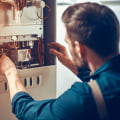
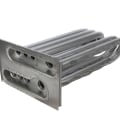
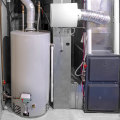
Understanding your furnace system is essential for effective troubleshooting and maintenance. A furnace is a complex piece of equipment designed to provide warmth and comfort in your home during the colder months. By familiarizing yourself with its components and how they work together, you can better identify potential issues before they escalate into costly repairs or even necessitate a furnace replacement near me.At the heart of any furnace system are several key components, including the heat exchanger, blower motor, thermostat, and fuel supply. The heat exchanger is responsible for transferring heat from the combustion process to the air that circulates throughout your home.
The blower motor then pushes this heated air through the ductwork and into various rooms, ensuring even distribution of warmth. Meanwhile, the thermostat acts as the control center, allowing you to set your desired temperature and signaling the furnace to turn on or off as needed.To truly grasp how a furnace operates, it’s important to understand the sequence of events that occur when you adjust your thermostat. When the temperature in your home drops below the set point, the thermostat sends a signal to the furnace to ignite. Depending on whether you have a gas or electric furnace, this ignition process varies slightly but ultimately leads to heating the air that will be circulated.
Regularly monitoring these components can help you catch early signs of malfunction, such as unusual noises or inconsistent heating.By gaining insight into your furnace system's workings, you empower yourself to take proactive measures in maintaining it. This foundational knowledge not only aids in troubleshooting but also enhances your ability to communicate effectively with HVAC professionals should you need assistance. Understanding your furnace is not just about knowing how it works; it's about ensuring your home remains a comfortable haven during winter's chill.
Common Furnace Problems and Their Symptoms
Understanding the common problems that can arise with your furnace is crucial for effective troubleshooting. Here are some of the most frequent issues homeowners encounter, along with their symptoms:- Failure to Start: One of the most frustrating issues is when your furnace simply won’t turn on.
Symptoms include no response when the thermostat is set, and the furnace not making any noise. This could be due to a tripped circuit breaker, a blown fuse, or issues with the thermostat itself.
- Inadequate Heating: If your furnace is running but your home isn’t warming up adequately, it may indicate a problem. Common symptoms include uneven heating throughout the house or rooms that remain cold despite the furnace being operational. This could be caused by a dirty air filter, blocked vents, or even ductwork issues. If your furnace is running but your home isn’t warming up adequately, it may indicate a problem. Common symptoms include uneven heating throughout the house or rooms that remain cold despite the furnace being operational. This could be caused by a dirty air filter, blocked vents, or even ductwork issues.
- Strange Noises: Unusual sounds coming from your furnace can signal various problems.
For instance, banging or clanking noises might indicate loose components, while a high-pitched squeal could suggest a failing blower motor. It’s essential to pay attention to these sounds as they can help pinpoint the issue.
- Frequent Cycling: If your furnace turns on and off frequently, it may be short cycling. Symptoms include the furnace running for only a few minutes before shutting off again. This can be caused by an oversized furnace, a malfunctioning thermostat, or airflow issues due to dirty filters.
- Yellow or Flickering Flame: A healthy gas furnace should have a blue flame.
If you notice a yellow or flickering flame, it could indicate incomplete combustion, which poses safety risks. This issue may require immediate attention from an HVAC professional.
Step-by-Step Troubleshooting Guide
Troubleshooting your furnace can seem daunting, but with a systematic approach, you can identify and potentially resolve many common issues. Here’s a step-by-step guide to help you through the process.- Check the Thermostat: Start by ensuring that your thermostat is set to the desired temperature and is in heating mode.
If it’s battery-operated, replace the batteries to rule out power issues.
- Inspect the Air Filter: A clogged air filter can restrict airflow, causing your furnace to work inefficiently or not at all. Remove the filter and check its condition. If it’s dirty, replace it with a new one. Regularly changing your filter every 1-3 months can prevent many issues.
- Examine the Power Supply: Ensure that your furnace is receiving power.
Check the circuit breaker or fuse box for any tripped breakers or blown fuses. If you find any issues, reset the breaker or replace the fuse.
- Look for Blocked Vents: Inspect all supply and return vents in your home. Make sure they are open and unobstructed by furniture or other items. Blocked vents can lead to uneven heating and increased energy costs.
- Check the Pilot Light or Ignition System: If you have a gas furnace, check if the pilot light is lit.
If it’s out, follow the manufacturer’s instructions to relight it. For electronic ignition systems, listen for a clicking sound when the furnace attempts to ignite; if you don’t hear it, there may be an issue with the ignition system.
- Inspect for Strange Noises: Pay attention to any unusual sounds coming from your furnace. Banging, rattling, or squeaking noises could indicate loose components or mechanical issues that need professional attention.
- Check for Error Codes: Many modern furnaces have diagnostic lights that flash error codes. Refer to your owner’s manual to interpret these codes and determine if they indicate a specific problem.
- Examine Ductwork: Inspect your ductwork for any visible leaks or damage.
Sealing leaks can improve efficiency and ensure that heated air reaches all areas of your home.
When to Call a Professional HVAC Technician
While many furnace issues can be resolved with basic troubleshooting, there are specific situations where the expertise of a professional HVAC technician is essential. Understanding when to seek help can save you time, money, and potential hazards.1.Persistent Issues
If your furnace continues to exhibit problems despite your best efforts to troubleshoot, it’s time to call in a professional. Symptoms such as inconsistent heating, strange noises, or frequent cycling on and off can indicate underlying issues that require specialized knowledge and tools to diagnose.
2.Safety Concerns
Furnaces operate using gas or electricity, both of which can pose serious safety risks if not handled properly.
If you smell gas or notice any signs of a gas leak, evacuate your home immediately and contact your local gas company or emergency services. Additionally, if you suspect electrical issues, such as frayed wires or frequent tripping of circuit breakers, it’s crucial to consult an HVAC professional to avoid fire hazards.
3.Complex Repairs
Certain repairs require advanced skills and tools that the average homeowner may not possess. For instance, replacing a heat exchanger or fixing a malfunctioning ignition system involves intricate work that should only be performed by trained technicians. Attempting these repairs without proper knowledge can lead to further damage and increased repair costs.
4.Warranty Considerations
If your furnace is still under warranty, attempting DIY repairs may void the warranty.
Most manufacturers require that repairs be conducted by certified professionals to maintain warranty coverage. Always check your warranty terms before proceeding with any repairs.
5.Regular Maintenance
Even if your furnace appears to be functioning well, scheduling regular maintenance with an HVAC technician is vital for long-term efficiency and safety. Professionals can perform comprehensive inspections, clean critical components, and identify potential issues before they escalate into costly repairs.In summary, knowing when to call a professional HVAC technician is crucial for maintaining the safety and efficiency of your heating system. If you encounter persistent issues, safety concerns, complex repairs, warranty considerations, or simply need routine maintenance, don’t hesitate to reach out for expert help.
Searching for furnace replacement near me can connect you with qualified technicians who can ensure your heating system operates smoothly throughout the winter months.
Preventive Maintenance Tips for Your Furnace
Maintaining your furnace is crucial for ensuring its longevity and efficiency. Regular preventive maintenance can help you avoid costly repairs and keep your home warm during the cold months. Here are some essential tips to help you maintain your furnace effectively:- Change the Air Filter Regularly: One of the simplest yet most effective maintenance tasks is to change your air filter every 1-3 months. A clean filter improves airflow, enhances efficiency, and prevents dust buildup that can lead to overheating.
- Schedule Annual Professional Inspections: Having a licensed HVAC technician inspect your furnace annually is vital.
They can identify potential issues before they become serious problems, ensuring your system runs smoothly.
- Keep the Area Around the Furnace Clear: Ensure that there are no obstructions around your furnace. Clutter can restrict airflow and create fire hazards. Maintain at least a three-foot clearance around the unit.
- Test the Thermostat: Regularly check your thermostat to ensure it’s functioning correctly. Consider upgrading to a programmable thermostat for better energy management and comfort.
- Inspect the Ductwork: Leaky ducts can significantly reduce heating efficiency.
Inspect your ductwork for any signs of damage or disconnections, and seal any leaks with duct tape or mastic sealant.
- Check the Blower Motor: The blower motor is responsible for circulating warm air throughout your home. Ensure it’s clean and lubricated to prevent wear and tear.
- Monitor Carbon Monoxide Levels: Install carbon monoxide detectors near sleeping areas and test them regularly. This is crucial for safety, as furnaces can produce harmful gases if not maintained properly.
If you ever find yourself in need of assistance or if you’re considering a new unit, searching for furnace replacement near me can connect you with local professionals who can help ensure your home stays warm and comfortable.
Energy Efficiency and Furnace Replacement Considerations
When it comes to maintaining a comfortable home environment, the efficiency of your furnace plays a crucial role. An energy-efficient furnace not only keeps your home warm but also significantly reduces your energy bills. If you find yourself frequently searching for furnace replacement near me, it may be time to evaluate the efficiency of your current system.Energy efficiency in furnaces is typically measured by the Annual Fuel Utilization Efficiency (AFUE) rating. This percentage indicates how much of the fuel consumed is converted into usable heat.For instance, a furnace with an AFUE rating of 90% converts 90% of its fuel into heat, while the remaining 10% is lost. Modern furnaces can achieve AFUE ratings of 95% or higher, making them a worthwhile investment for homeowners looking to save on energy costs.
When to Consider Replacing Your Furnace
Knowing when to replace your furnace can save you from unexpected breakdowns and costly repairs. Here are some signs that indicate it might be time for a replacement:- Age: If your furnace is over 15 years old, it may be less efficient and more prone to breakdowns.
- Frequent Repairs: If you find yourself calling for repairs multiple times each season, it may be more cost-effective to invest in a new unit.
- Increased Energy Bills: A sudden spike in your heating bills can indicate that your furnace is working harder than it should be.
- Uneven Heating: If some rooms in your home are consistently colder than others, it could be a sign that your furnace is struggling to distribute heat evenly.
Finding Reliable Furnace Replacement Services
Once you've decided to replace your furnace, finding reliable services nearby is essential. Start by searching online for furnace replacement near me.Look for companies with positive customer reviews and ratings. Additionally, check if they are licensed and insured, as this ensures they meet industry standards and regulations.Request quotes from multiple contractors to compare prices and services offered. A reputable HVAC company will provide a detailed estimate and explain the benefits of different furnace models, helping you make an informed decision that aligns with your budget and heating needs.In conclusion, prioritizing energy efficiency when considering furnace replacement can lead to significant savings and improved comfort in your home. By recognizing the signs that indicate it's time for a new unit and knowing how to find trustworthy replacement services, you can ensure that your home remains warm and energy-efficient for years to come.
Frequently Asked Questions (FAQs)
When it comes to furnace troubleshooting and maintenance, many homeowners have questions.Here are some of the most frequently asked questions (FAQs) regarding furnaces, along with clear answers to help you navigate common issues.
What are the signs that my furnace needs repair?
There are several indicators that your furnace may require professional attention:- Unusual Noises: If you hear banging, clanking, or squealing sounds, it could indicate mechanical issues.
- Inconsistent Heating: If some rooms are warm while others remain cold, your furnace may not be distributing heat evenly.
- Increased Energy Bills: A sudden spike in your heating costs can suggest that your furnace is working harder than it should.
- Frequent Cycling: If your furnace turns on and off frequently, it may be a sign of a malfunctioning thermostat or other issues.
- Yellow Burner Flame: A healthy gas furnace should have a blue flame. A yellow or flickering flame can indicate incomplete combustion and potential safety hazards.
How often should I replace my furnace filter?
The frequency of filter replacement depends on several factors, including the type of filter and your household conditions. Generally, it's recommended to check your filter monthly and replace it every 1-3 months. If you have pets or allergies, you may need to change it more frequently to maintain optimal air quality.What should I do if my furnace won’t turn on?
If your furnace fails to start, follow these troubleshooting steps:- Check the Thermostat: Ensure it’s set to 'heat' and the temperature is set higher than the current room temperature.
- Inspect the Power Supply: Make sure the furnace is plugged in and that any circuit breakers are not tripped.
- Examine the Air Filter: A clogged filter can prevent airflow and cause the system to shut down.
- Look for Error Codes: Many modern furnaces have diagnostic lights that can indicate specific issues.
Refer to your user manual for guidance.
When should I consider a furnace replacement?
If your furnace is over 15 years old, requires frequent repairs, or is inefficient (often indicated by high energy bills), it may be time to consider a furnace replacement near me. Additionally, if you notice significant safety concerns such as gas leaks or carbon monoxide emissions, immediate replacement is crucial for your safety.If you have further questions about your specific situation or need assistance with troubleshooting, don’t hesitate to contact a licensed HVAC professional for expert advice and service.Conclusion: Keeping Your Home Warm and Safe
In conclusion, ensuring that your furnace operates efficiently is crucial for maintaining a warm and safe home during the colder months. Throughout this article, we have explored various common furnace issues and provided expert tips for troubleshooting them effectively. Understanding these problems not only helps in addressing them promptly but also prevents minor issues from escalating into costly repairs or even necessitating a furnace replacement near me.Regular maintenance is key to prolonging the lifespan of your heating system.Simple tasks such as checking and replacing air filters, cleaning the flame sensor, and ensuring that all vents are unobstructed can significantly enhance your furnace's performance. Additionally, keeping the area around your furnace clean and free of debris is essential for optimal airflow and safety.It’s also important to recognize when to call in a professional. If you encounter persistent issues despite following troubleshooting steps, or if you notice unusual noises or smells, seeking help from a licensed HVAC technician is advisable. They possess the expertise to diagnose complex problems that may not be apparent to the average homeowner.By being proactive about furnace maintenance and understanding how to troubleshoot common issues, you can ensure that your home remains a comfortable sanctuary during winter.
Remember, a well-maintained furnace not only keeps your home warm but also contributes to better energy efficiency, ultimately saving you money on utility bills.As you prepare for the winter season, take the time to assess your heating system. If you find that your furnace is outdated or frequently malfunctioning, consider exploring options for a furnace replacement near me. Investing in a new, energy-efficient model can provide peace of mind and enhance your home's comfort for years to come.